
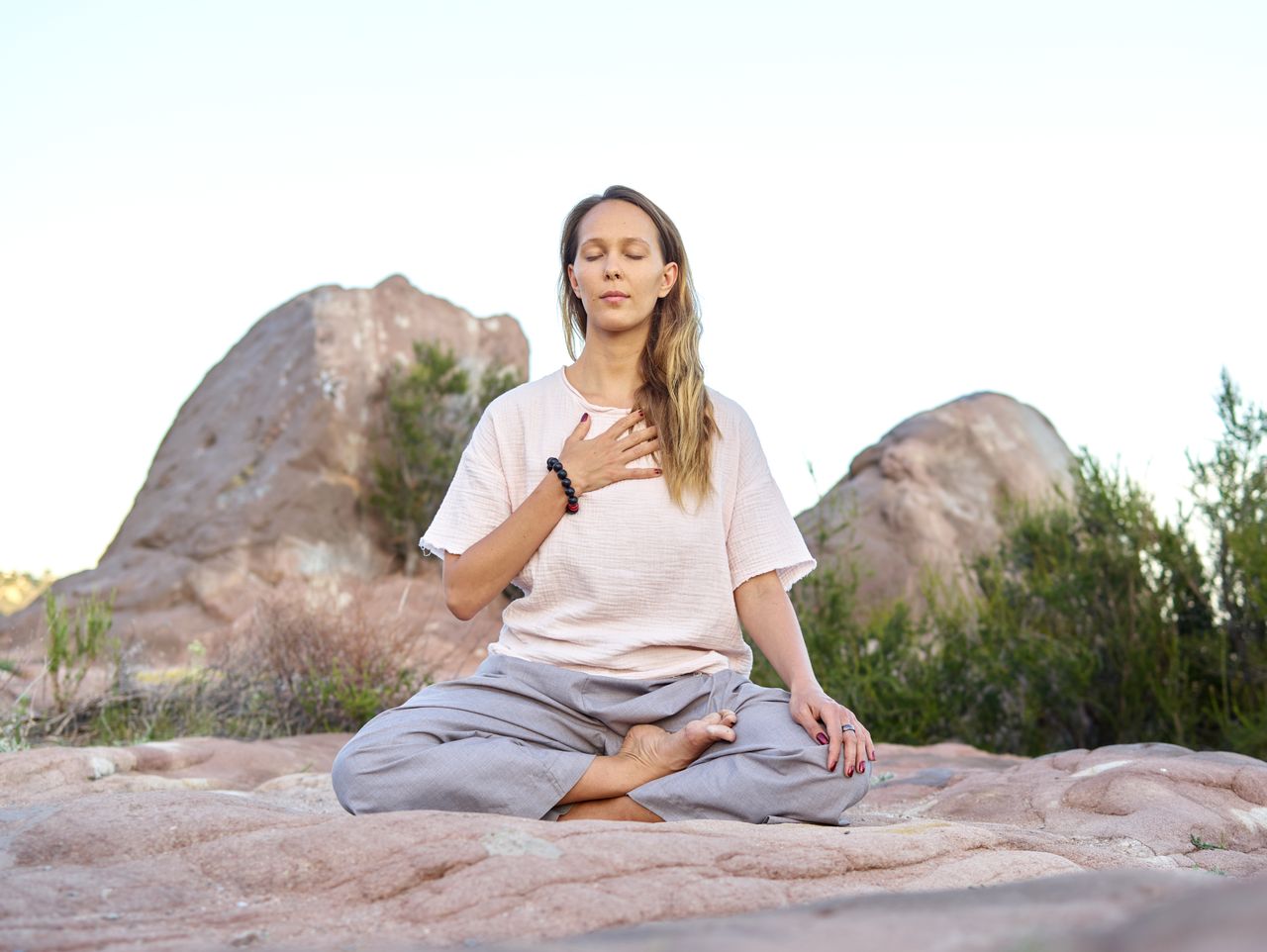
Take a Deep Breath: Why Diaphragmatic Breathing is Crucial for Pain Relief
At WoVe MT in Bradford, my goal is to help you find lasting relief from tension and chronic pain. But one of the most powerful tools in our treatment plan is something you do thousands of times a day: breathing.
The average person breathes 12 to 15 times per minute or 20,000 times per day. However, inefficient or inappropriate breathing patterns can lead to dysfunction, both structurally and physiologically. This is why diaphragmatic breathing is a key part of every massage treatment.
The Anatomy of Optimal Breathing
When you breathe correctly, your body works in perfect harmony. With relaxed inhalation, the respiratory diaphragm contracts and descends, compressing the abdominal viscera. At the same time, the external intercostal muscles contract and lift the ribs laterally, like the handle of a bucket.
This type of breathing is incredibly beneficial for your overall health. The rhythmical action of the diaphragm creates a kind of vacuum in the thorax which facilitates the return of venous blood and lymphatic fluid from the legs and lower torso to the heart. Furthermore, diaphragmatic breathing also allows the most efficient intake of oxygen and output of carbon dioxide.
Breaking the Pain Cycle on the Table
If you have ever received a deep tissue massage or RAPID NFR treatment, you know it can sometimes be intense. Diaphragmatic breathing is the easiest way for the client to achieve relaxation and to break the pain cycle. It also gives the client control over potentially uncomfortable techniques.
Because muscles relax on exhalation and tighten when the breath is held, the therapist can use the client’s conscious exhalation to relax muscles, increase the effectiveness of techniques and reduce the perception of pain.
How to Practice at Home
Diaphragmatic breathing is regularly recommended as self-care. It promotes relaxation by decreasing the effects of the sympathetic nervous system.
If you want to practice this at home to reduce stress, you should inhale through the nose, which warms and filters air before it enters the lungs and exhale through the mouth. Follow these 4 steps:
- Step 1: The Abdomen. Focus on your stomach and imagine a balloon in your stomach that you are inflating with your inhalation. This should be done with as little upper chest movement as possible.
- Step 2: The Ribs. Place your hands on the lateral parts of the rib cage. Try to expand your ribs outward as you continue to breathe.
- Step 3: The Upper Chest. Finally, bring the breath up and lift your sternum.
- Step 4: The Exhale. Relax the diaphragm first, followed by the intercostal muscles and then the neck muscles. Diaphragmatic breathing should be slow, full and not forced. Do not hyperventilate.
Note: Contraindications to breathing exercises include long-term diabetes and kidney disease.
By mastering this simple technique, you can actively reduce your own pain and stress levels every single day.